Interesting Places
Field Notes
Twenty-five places that held my attention. The prints and the writing under them are kept as I first collected them.
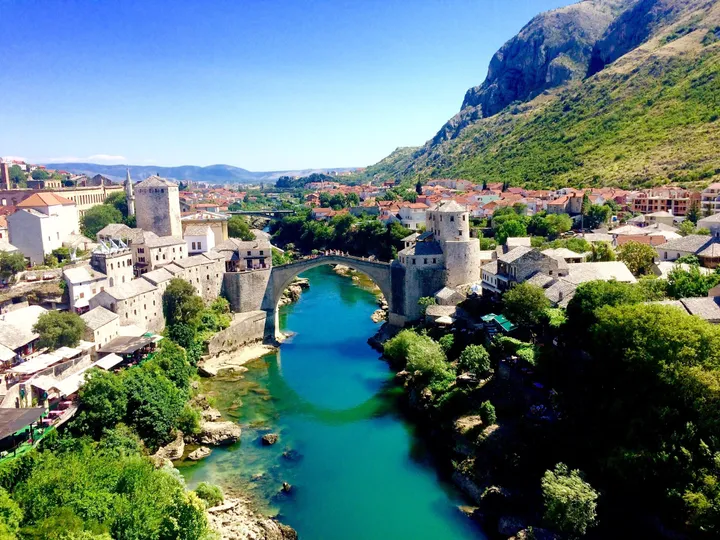
Mostar Bridge, Bosnia
The bridge is a great engineering achievement. It also divides the city along ethnic lines: Muslims, Christians, and Orthodox. Many locals have never crossed the bridge to the other side.
-
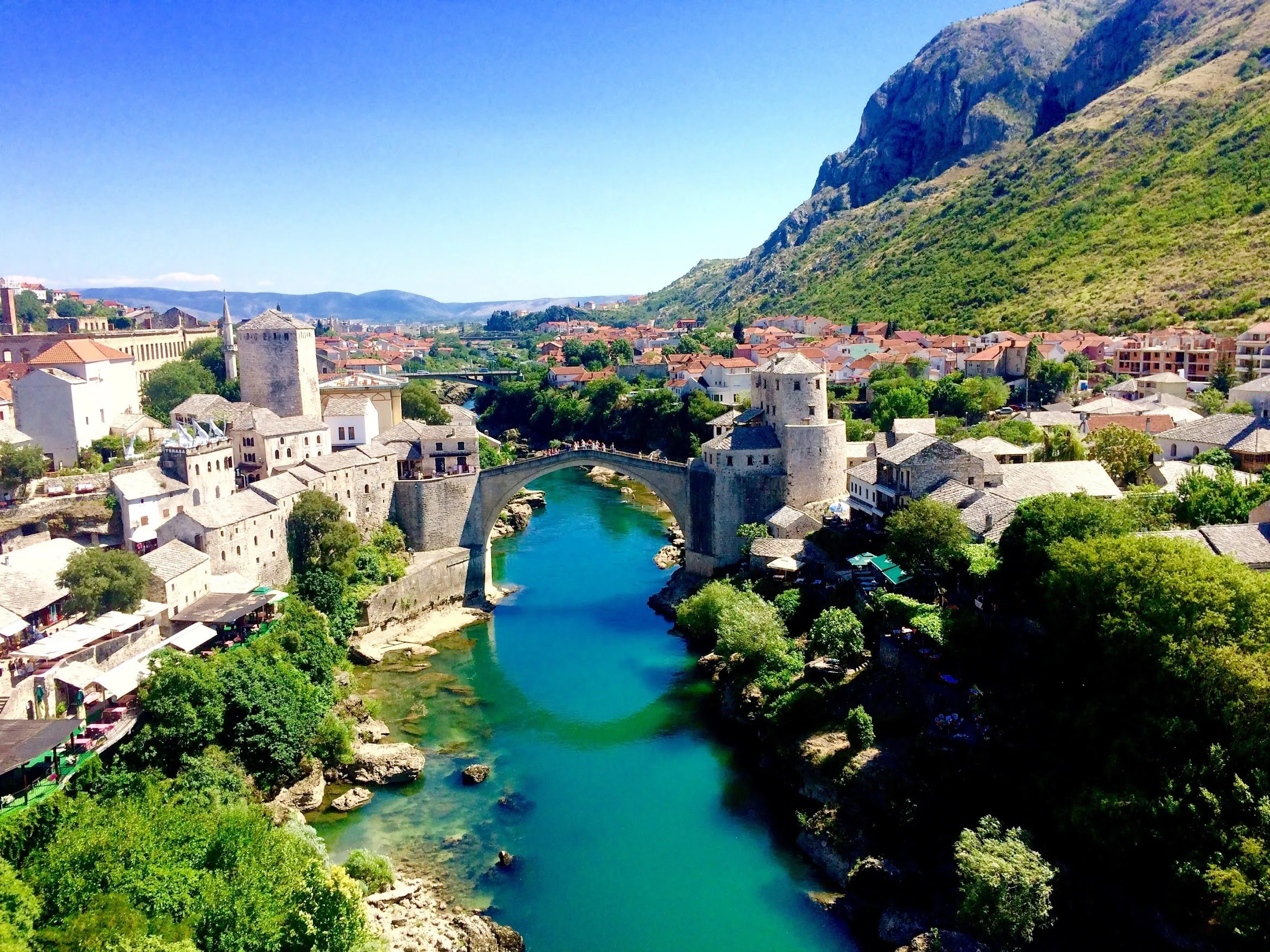
Mostar Bridge, Bosnia
The bridge is a great engineering achievement. It also divides the city along ethnic lines: Muslims, Christians, and Orthodox. Many locals have never crossed the bridge to the other side.
-
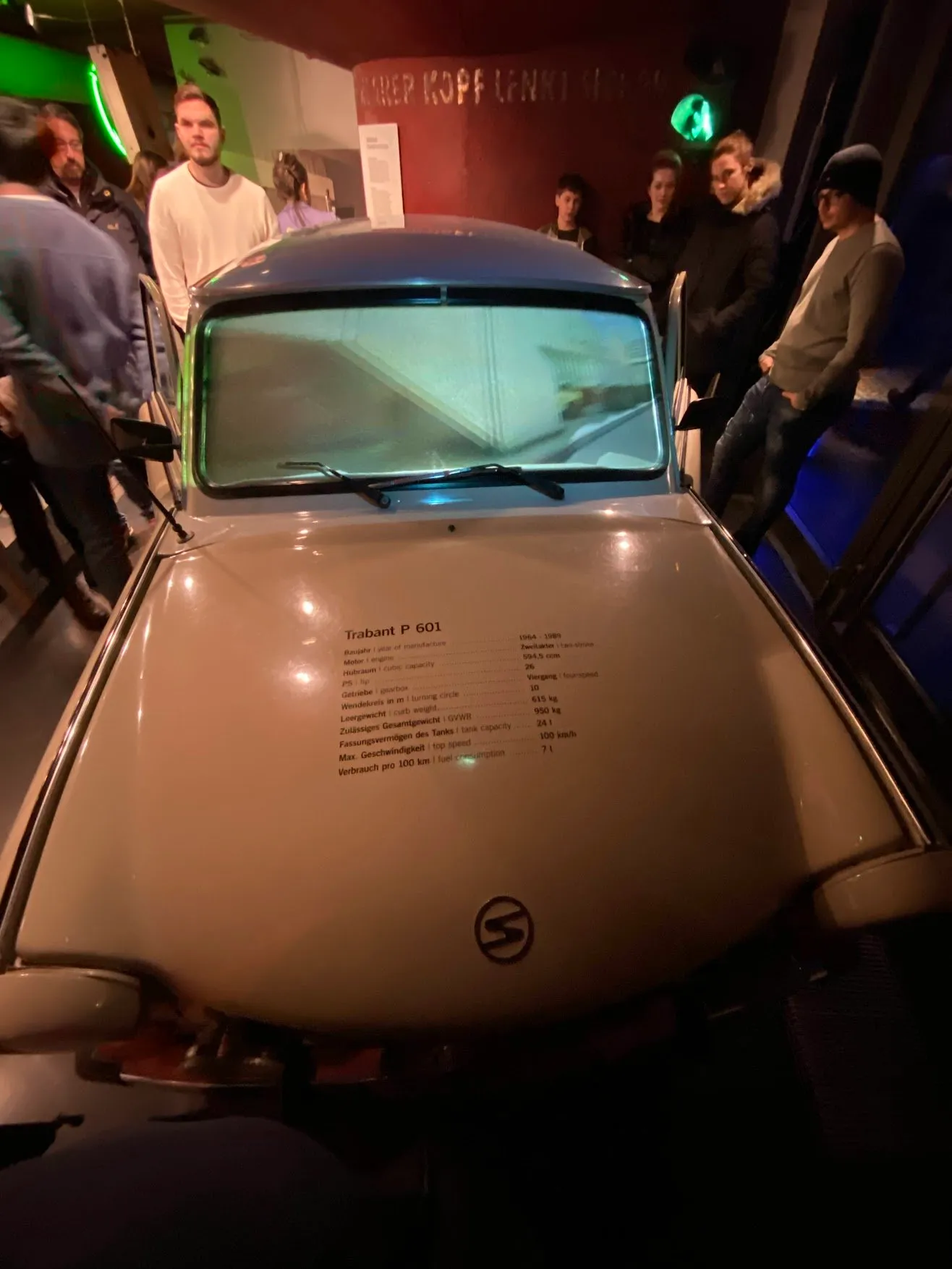
Trabant car
From DDR Museum in Berlin. It is also called Trabi, made of hard plastic from the Soviet Union. In East Berlin, families often had to wait more than 10 years to purchase one. I got to drive it in the museum!
-
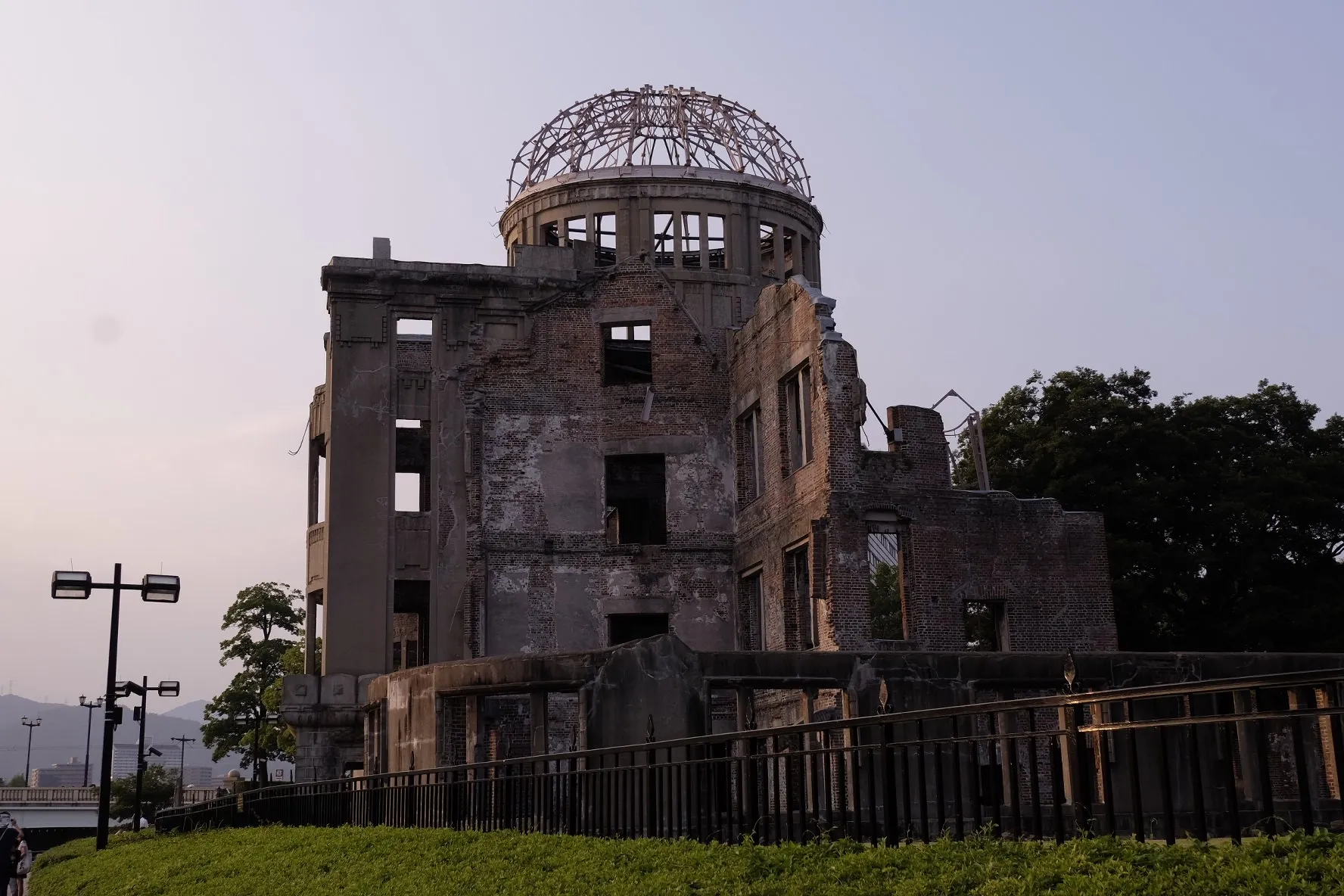
Atomic Bomb Dome
Also called Genbaku Dome. It was the only structure left standing in the area where the first atomic bomb exploded on 6 August 1945
-
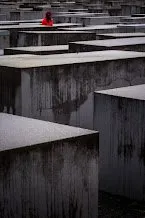
Holocaust Memorial, Berlin
Designed by the New York architect Peter Eisenman, there are a total of 2711 concrete slabs of different heights. This image is by Vivian Cromwell.
-
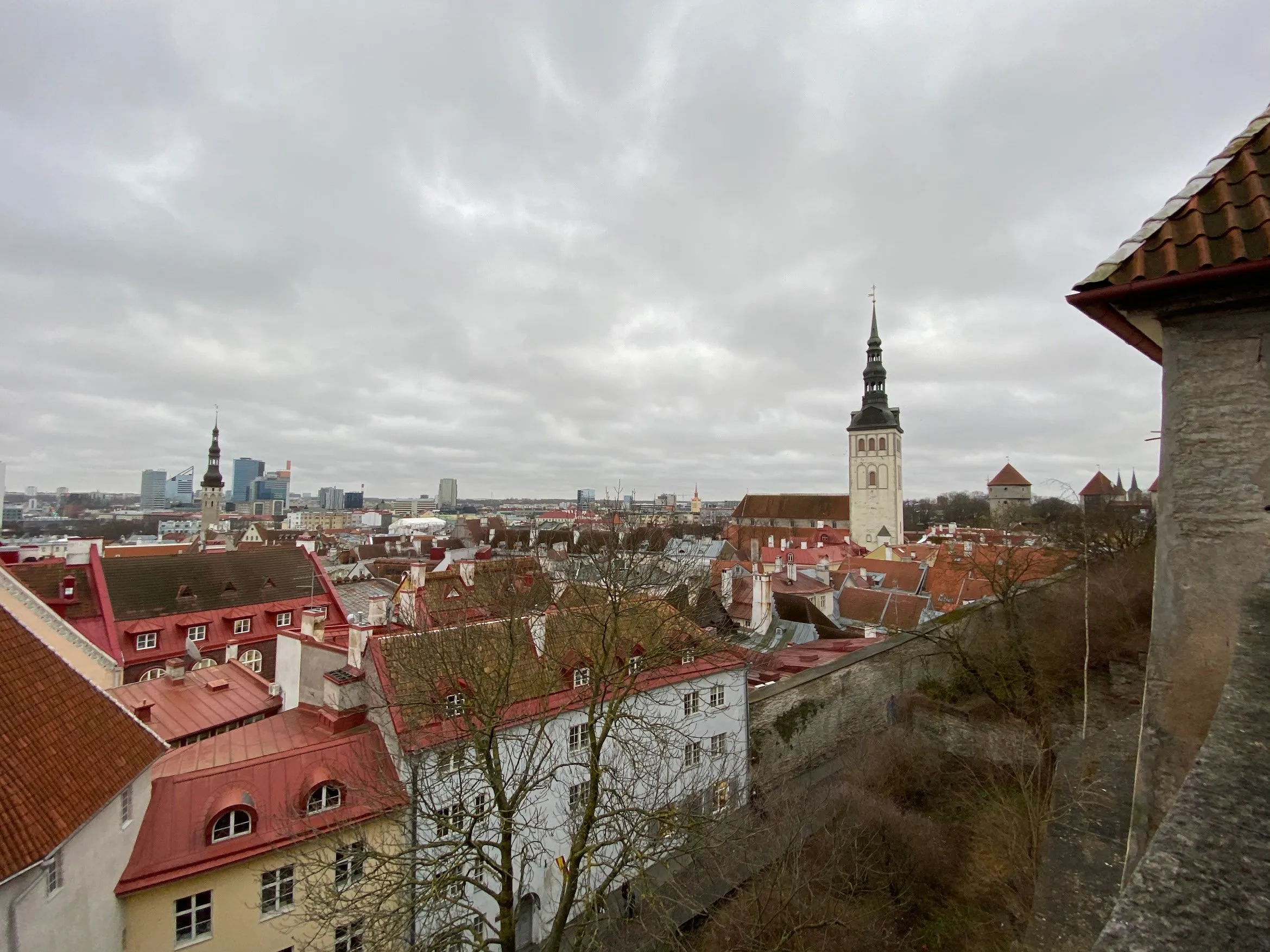
Tallinn, Estonia
During World War II, Estonia was first occupied by the Red Army and annexed into the USSR in 1940, then occupied by Nazi Germany from 1941 to 1944.
-
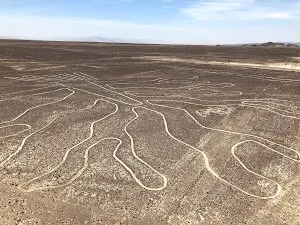
Nazca Lines, Peru
Composed of over 10,000 lines, the figures are most visible from the air or nearby hilltops. The lines were made so large to make their gods see them and pray for water. It was constructed more than 2000 years ago!
-
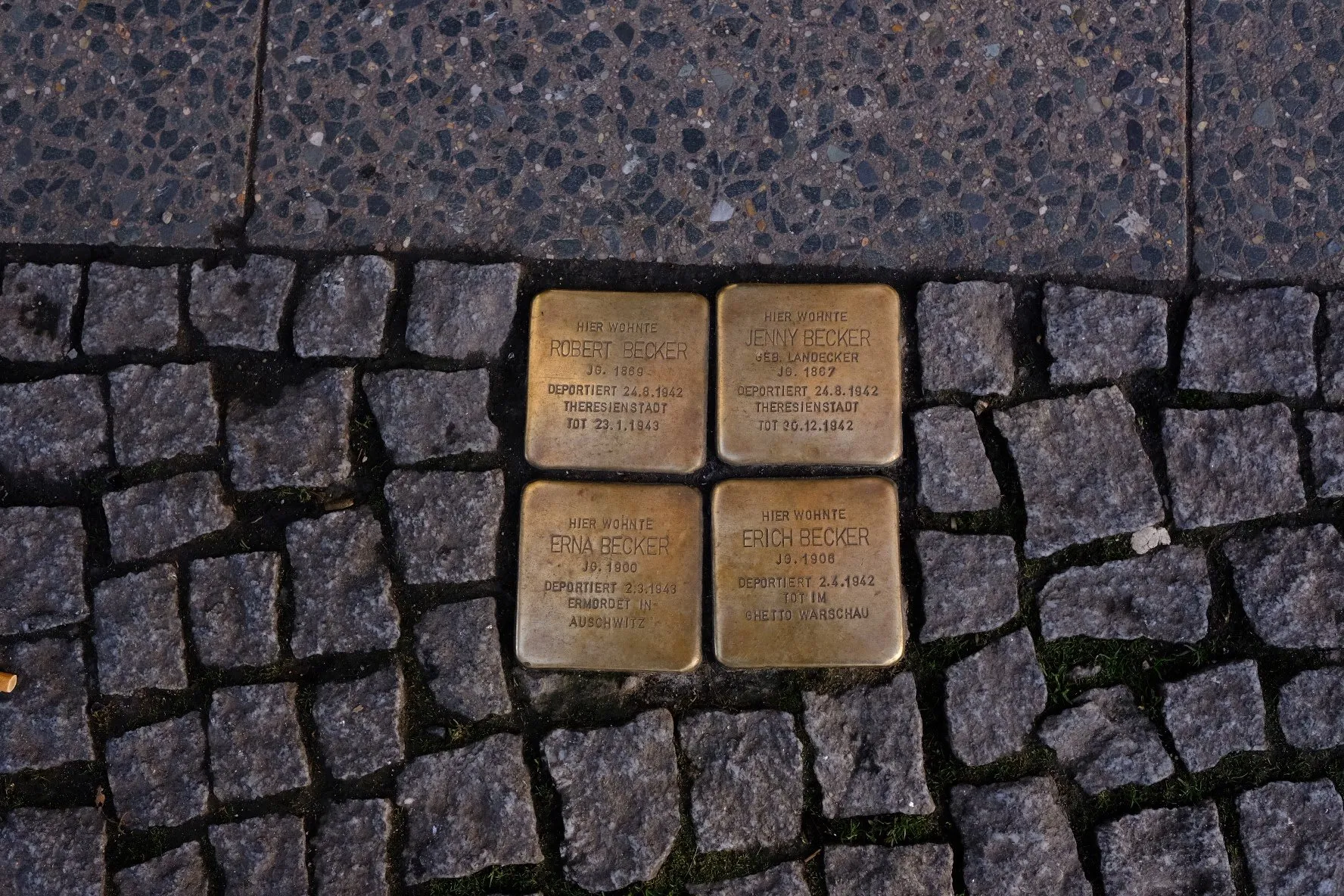
Stolperstein in Berlin
Known as “Stolpersteine”, or “stumbling stones”, there are now more than 70,000 such memorial blocks laid in more than 1,200 cities and towns across Europe and Russia. Each commemorates a victim outside their last-known freely chosen residence.
-
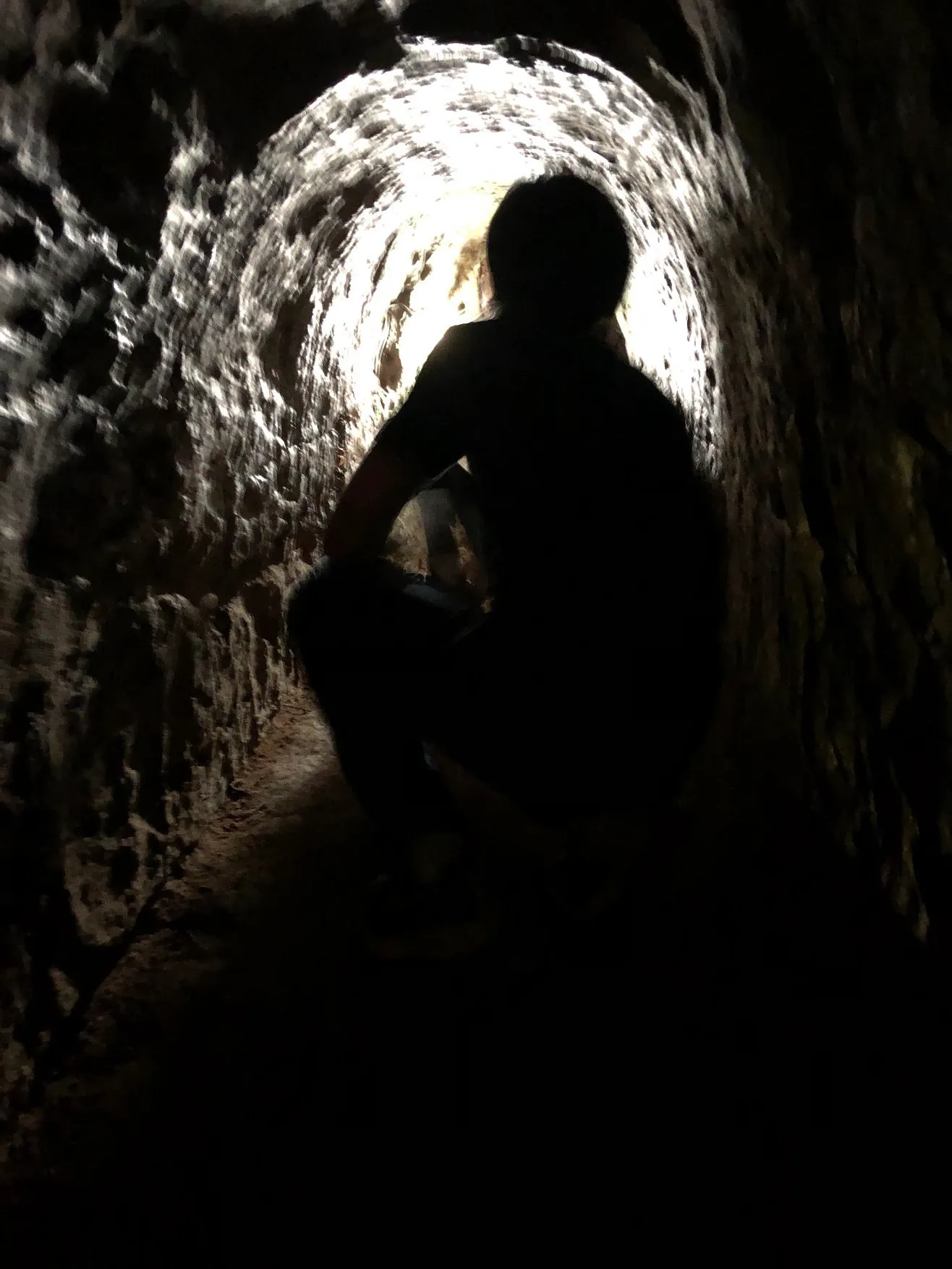
The tunnels of Củ Chi
Near Ho Chi Minh. It was built by Communist guerrilla troops in order to combat better-supplied American and South Vietnamese forces during the Vietnam War.
-
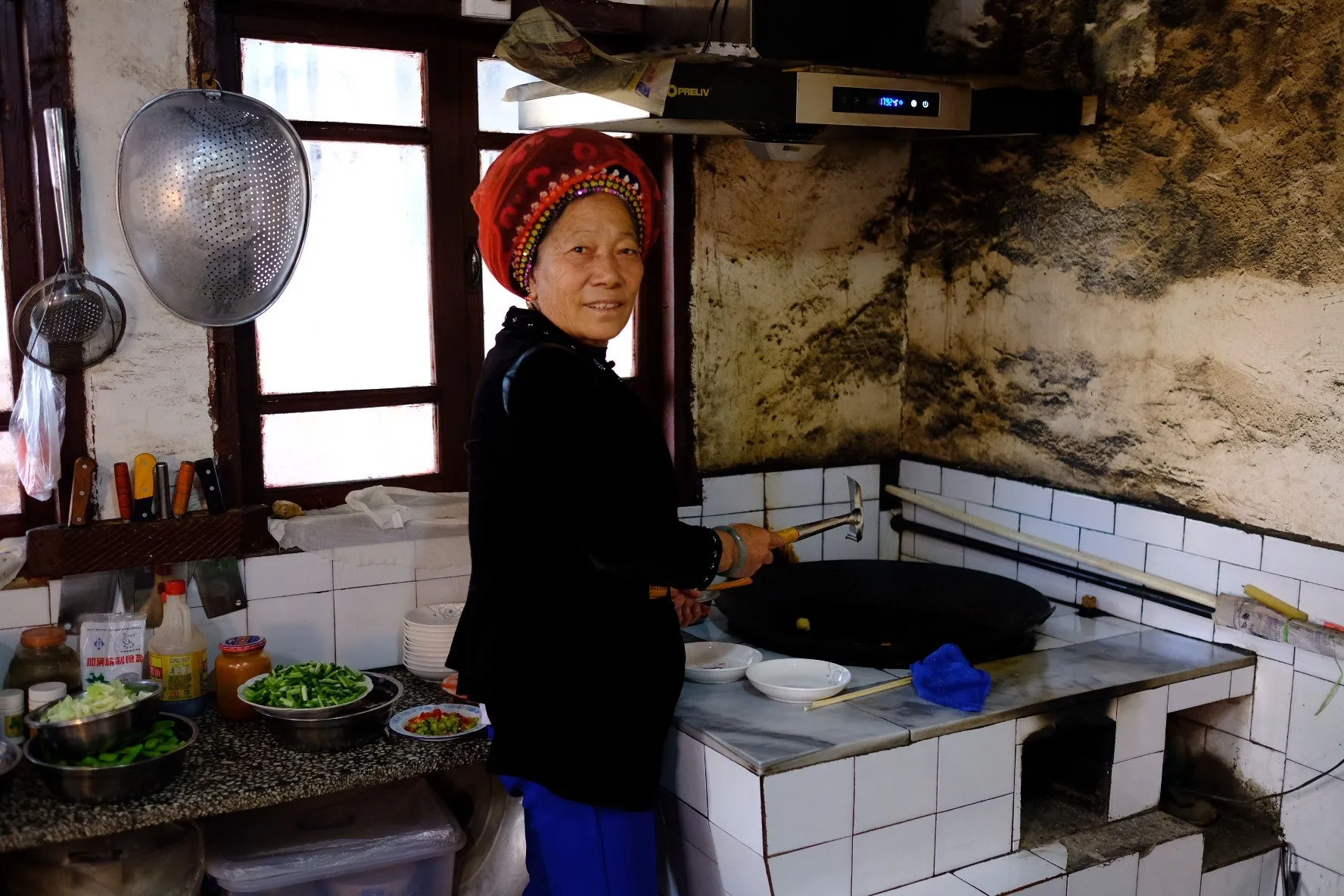
Bai people, China
We were invited to a family of Bai people for lunch, near Dali Bai Autonomous Prefecture in Yunnan China
-
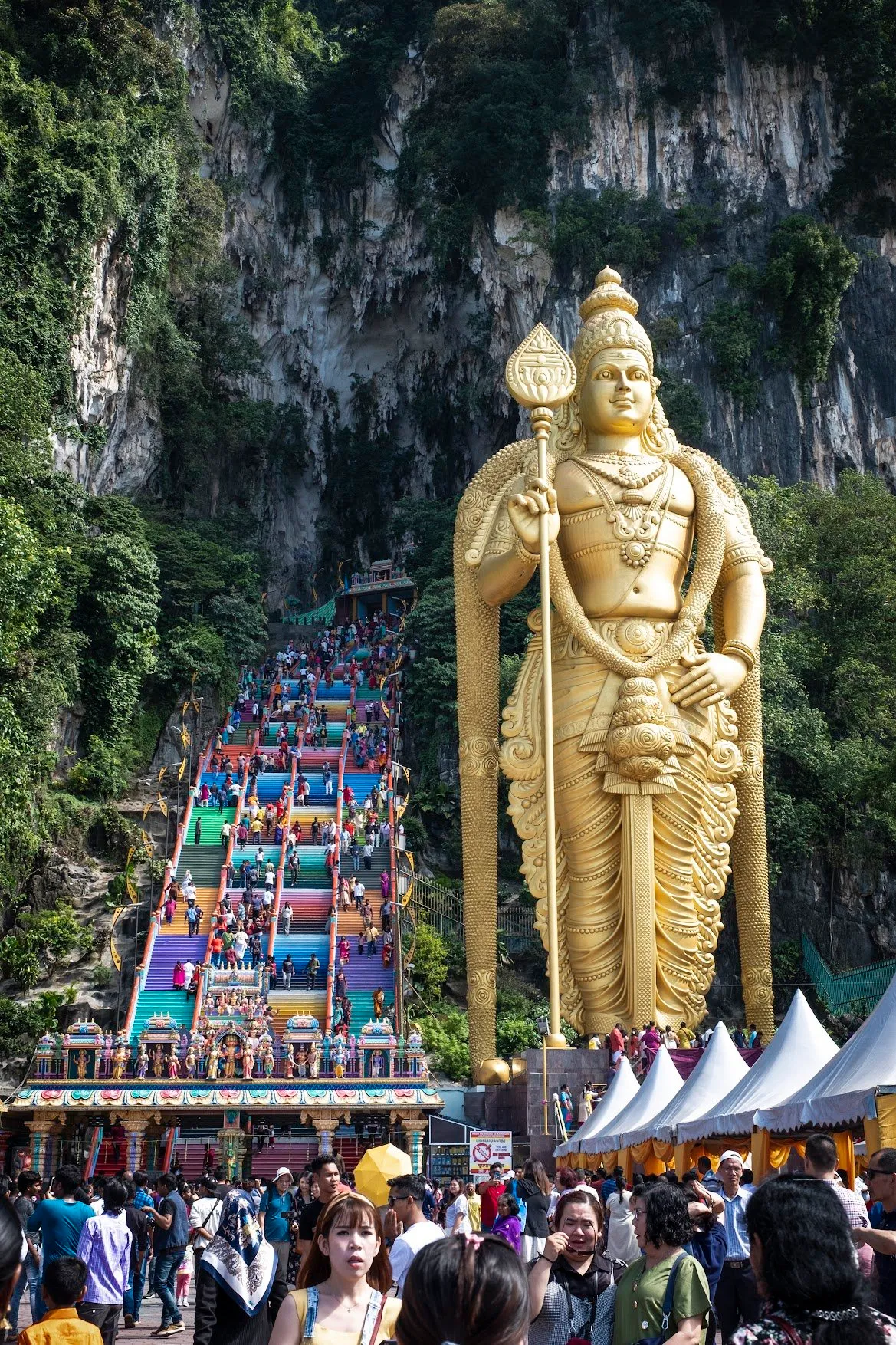
Batu Caves, Malaysia
The limestone forming Batu Caves is said to be around 400 million years old. Built-in 1891, the Hindu shrine is dedicated to Lord Murugan.
-
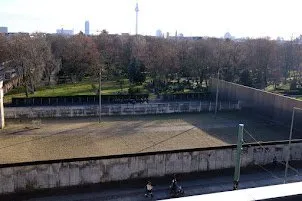
Berlin Wall
The guarded concrete barrier that physically and ideologically divided Berlin from 1961 to 1989. The barrier separating Berlin into east and west consisted of two concrete walls between which was a “death strip” up to 160 yards wide that contained hundreds of watchtowers,
-
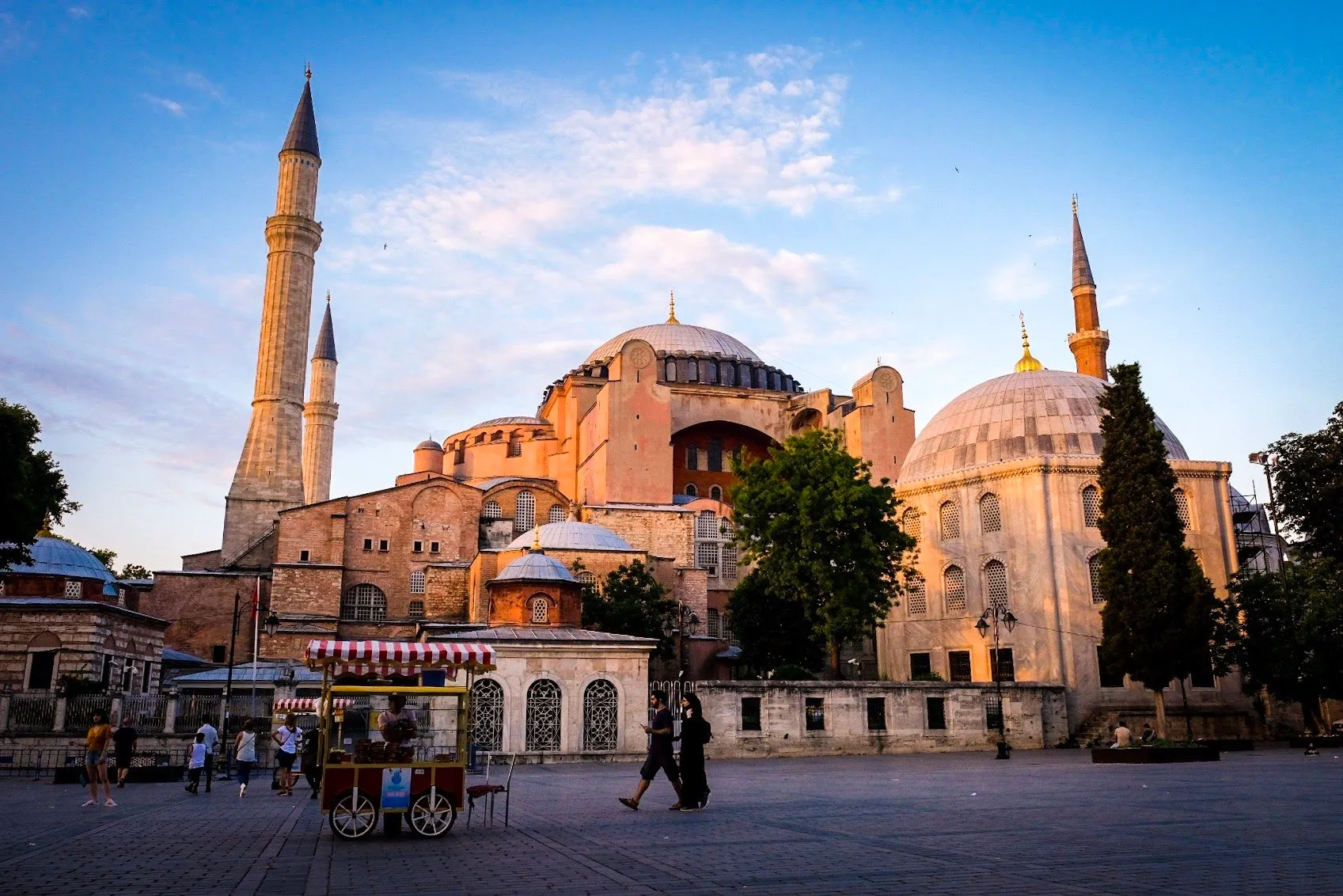
Hagia Sophia, Istanbul
The mosque was originally built by the eastern Roman emperor between 532 and 537. It has both Islamic and Christian influences.
-
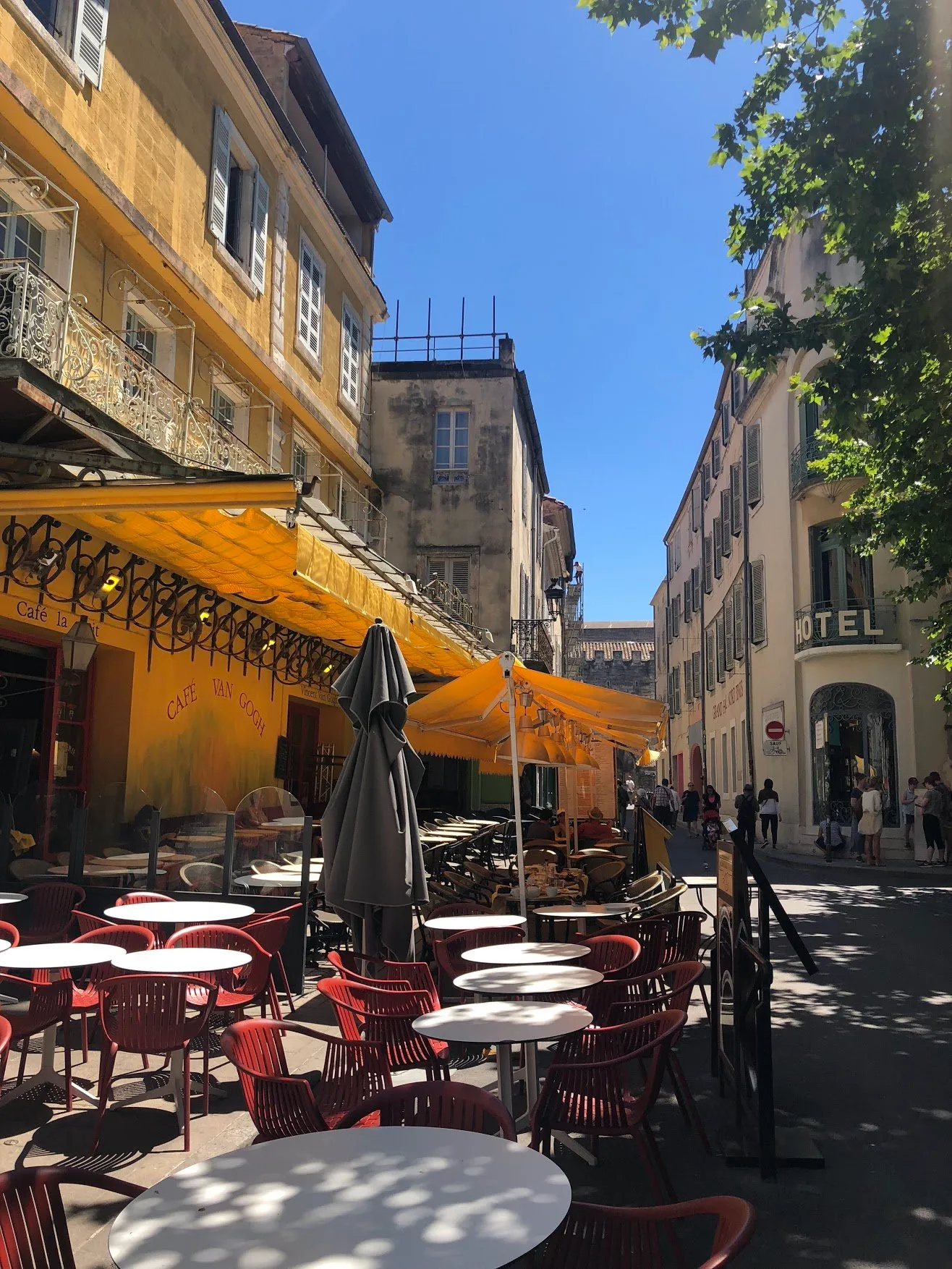
Le Café Van Gogh, Arles France
It is featured in Van Gough’s painting: Café Terrace at Night.
-
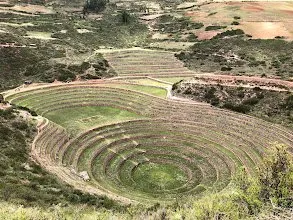
Moray Valley Peru
The mysterious Inca ruins have drawn many debates! It was built between the 12th and mid-14th centuries but Inca has no written language, so nobody really knows the purpose of it. Some believe it is an experimental farm, others believe it is an irrigation system.
-
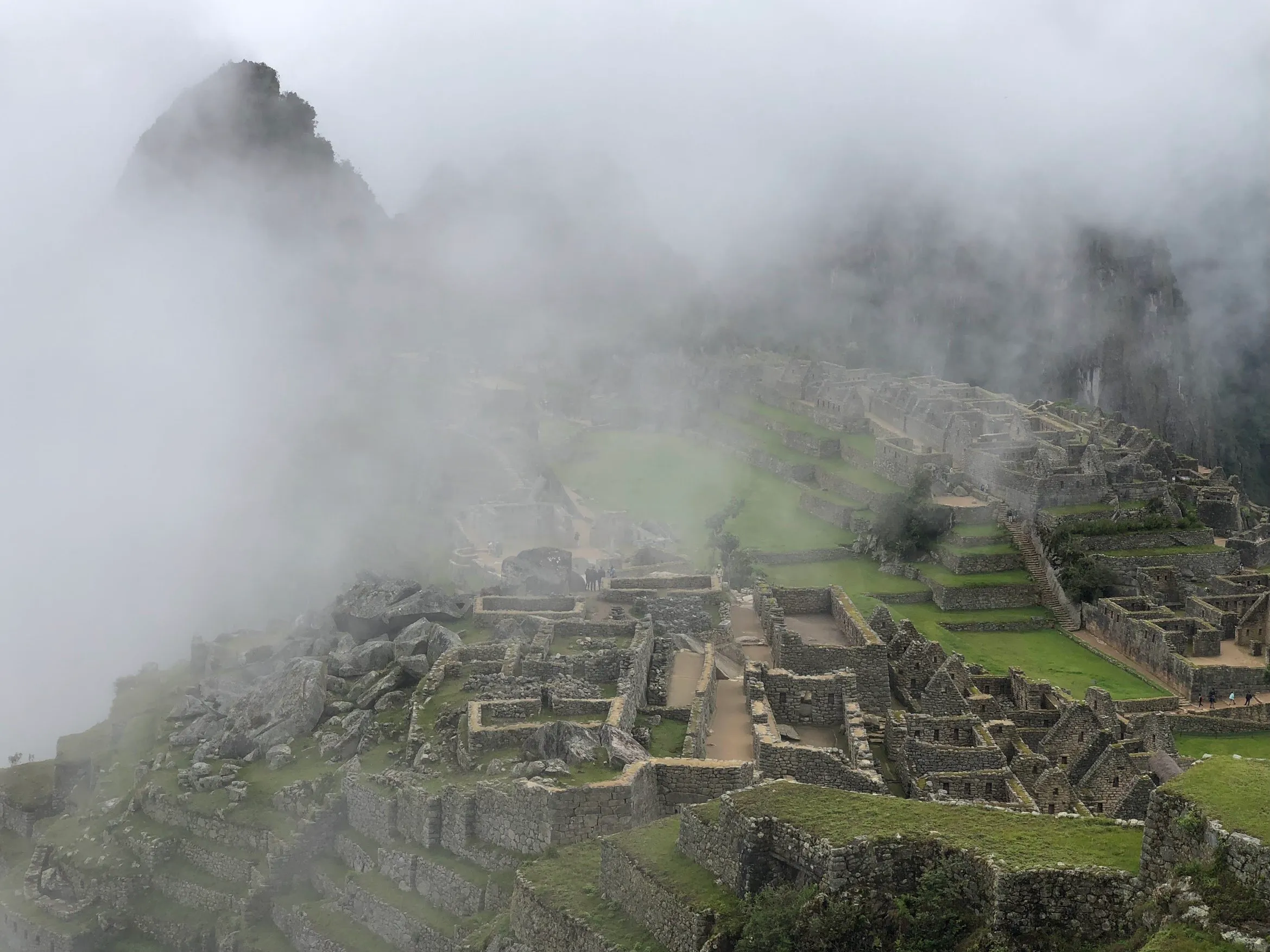
Machu Picchu Peru
Built in the 15th century, dry-stone walls that fuse huge blocks without the use of mortar.
-
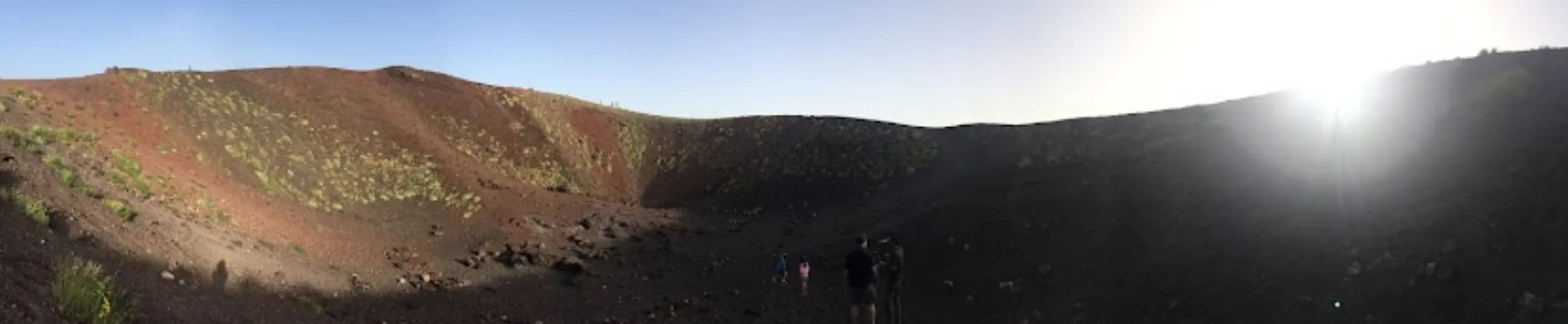
Mount Vesuvius, Italy
The eruption of Mount Vesuvius in AD 79 destroyed the Roman cities. More than 1,000 people are thought to have died in the eruption.
-
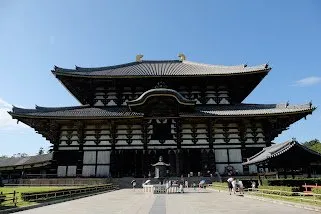
Todoji Temple, Nara, Japan
The temple was constructed in 752 as the head temple of Japan and grew so powerful that the capital was moved from Nara to Nagaoka in 784 in order to lower the temple's influence on government affairs.
-
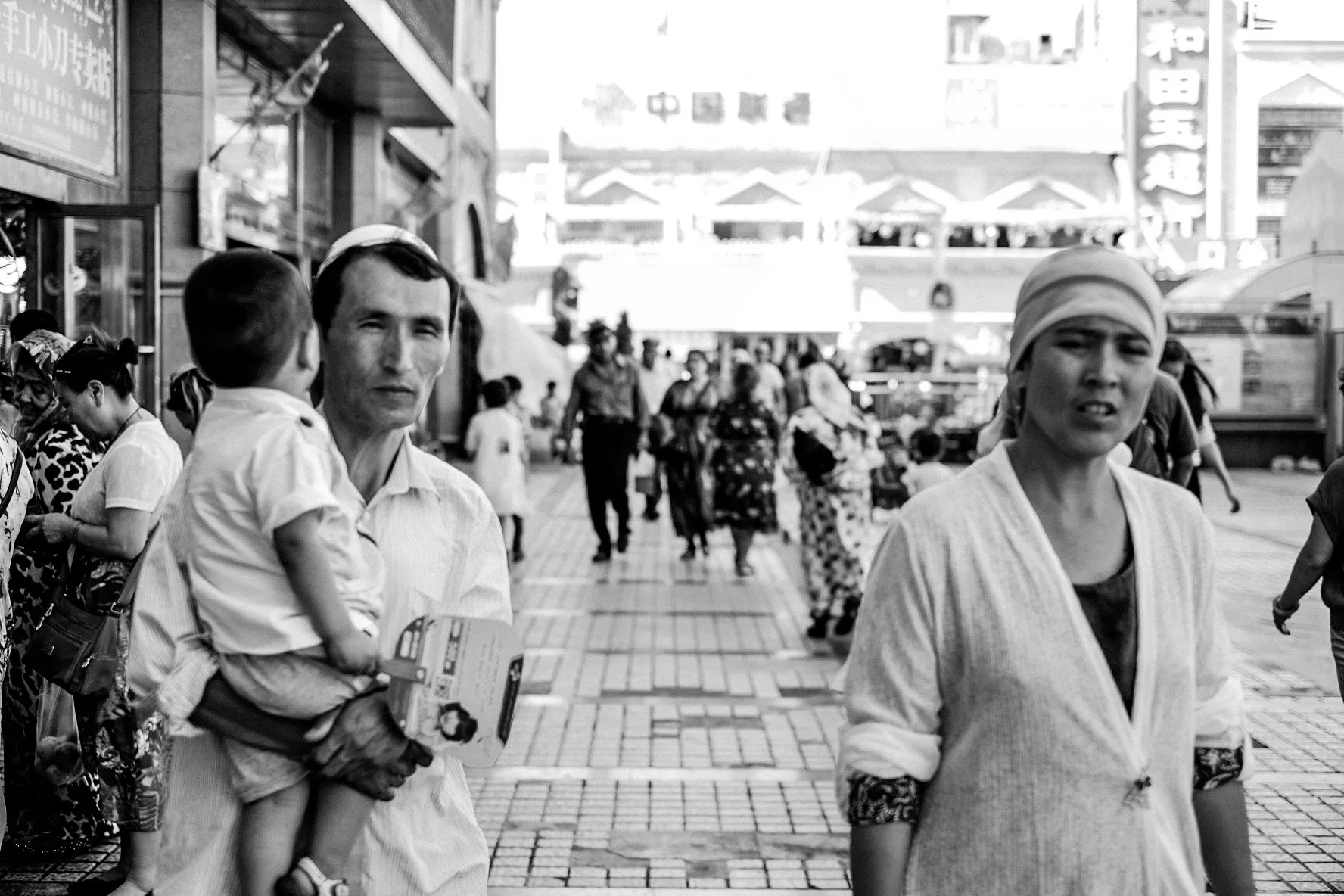
Xinjiang, China
Uyghur in China, they are mostly Turkic. The area became Islamified during the 10th century
-
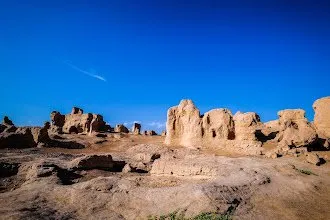
Jiaohe ruins, China
From 108 BC to 450 AD Jiaohe was the capital of the Anterior Jushi Kingdom. It was an important path on the silk road. It had a population of 7,000 according to Tang dynasty records.
-
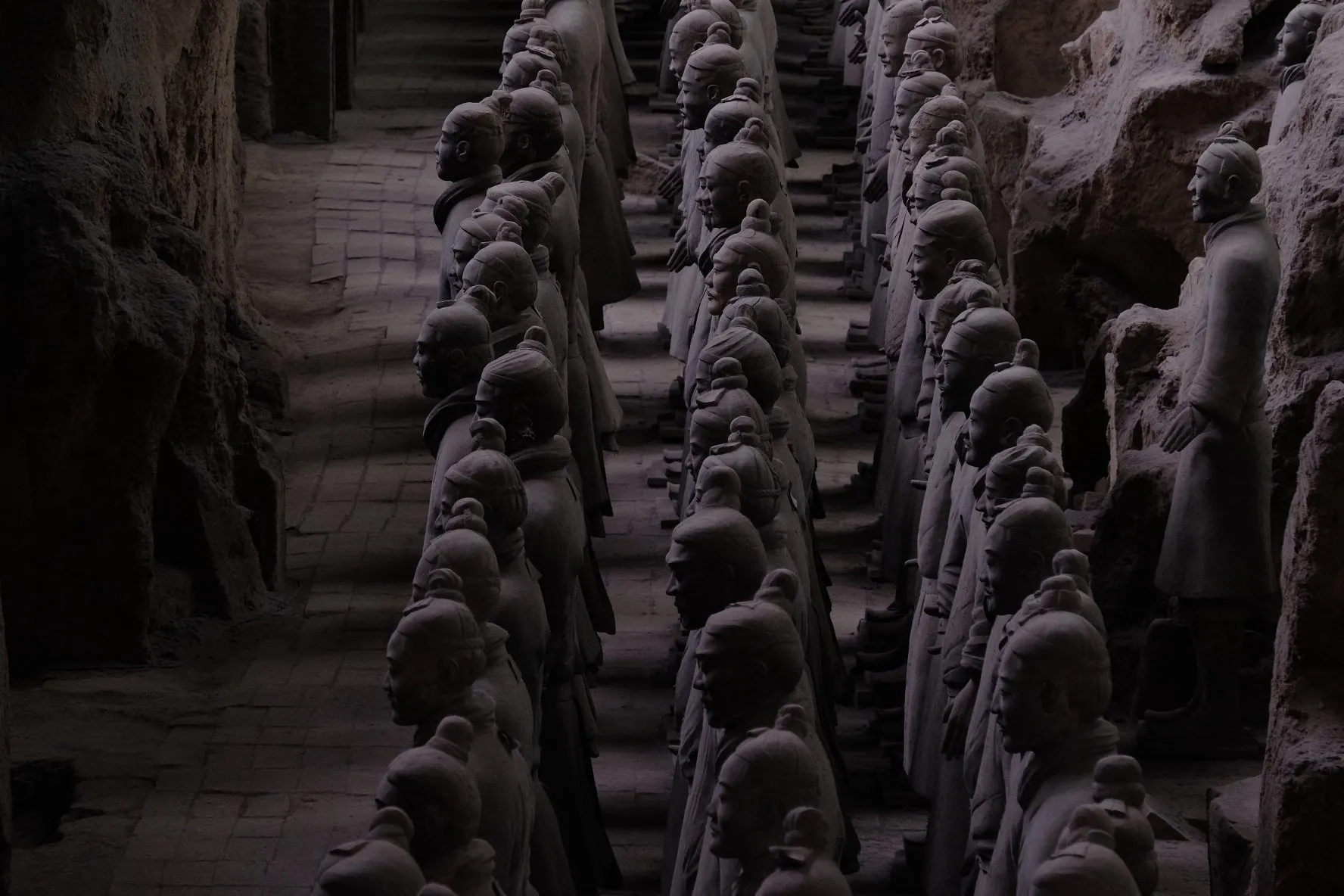
Terra Cotta Warrior, Xian China
They were built in approximately the late third century BCE, but didn’t get discovered until 1974. There are about 8000 soldiers. It was a myth that many believed human remains inside the Terracotta, which is not true. However, all of the craftsmen who participated in the construction were buried alive to keep it secrete.
-
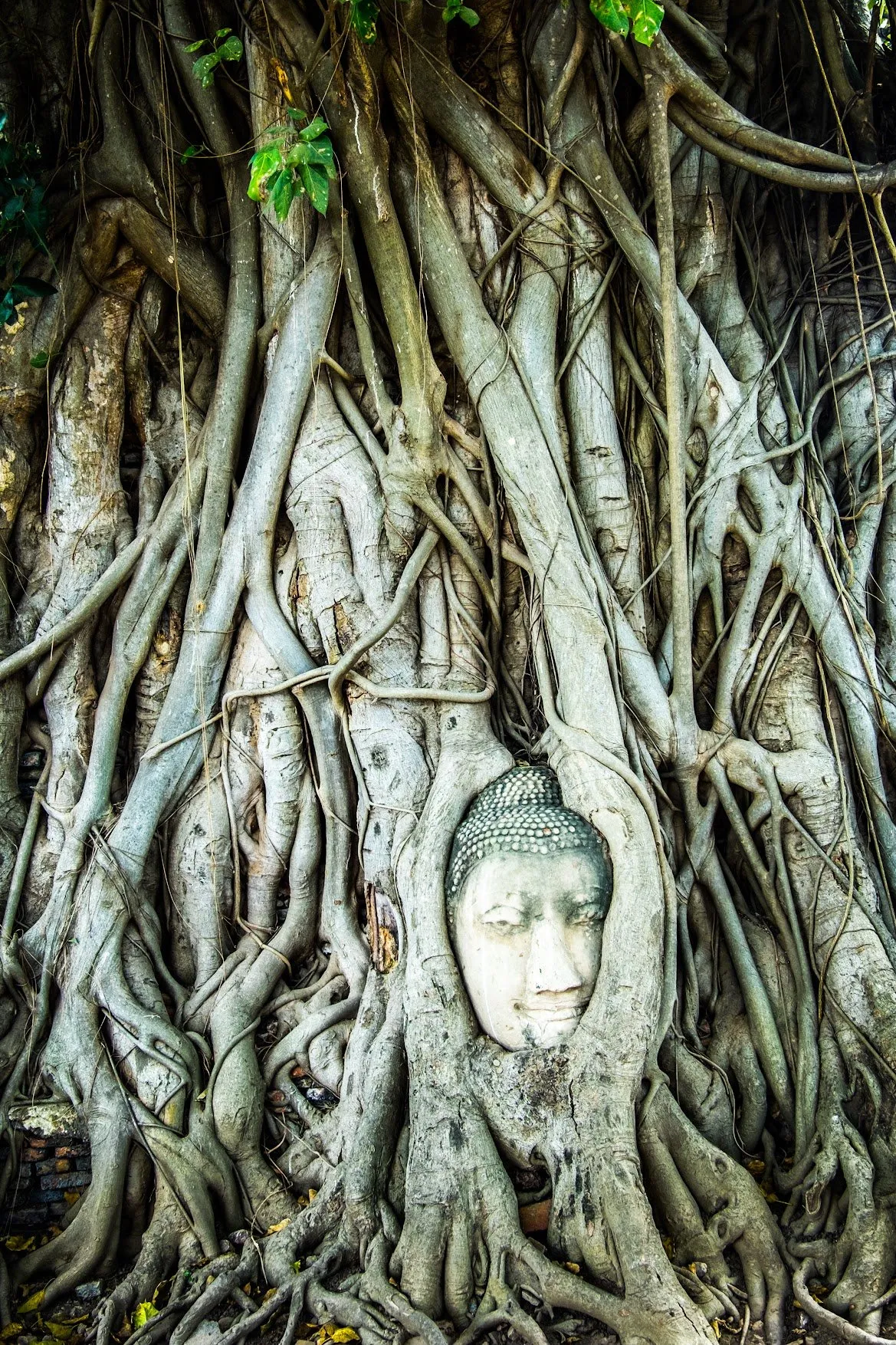
Ayutthaya, Thailand
Nobody knows for certain how the Buddha's head became entwined in the roots of the tree. Ayutthaya was at one point the capital of the Kingdom of Siam. It was destroyed around 1767 and many believe it was when the buddha’s head was buried.
-
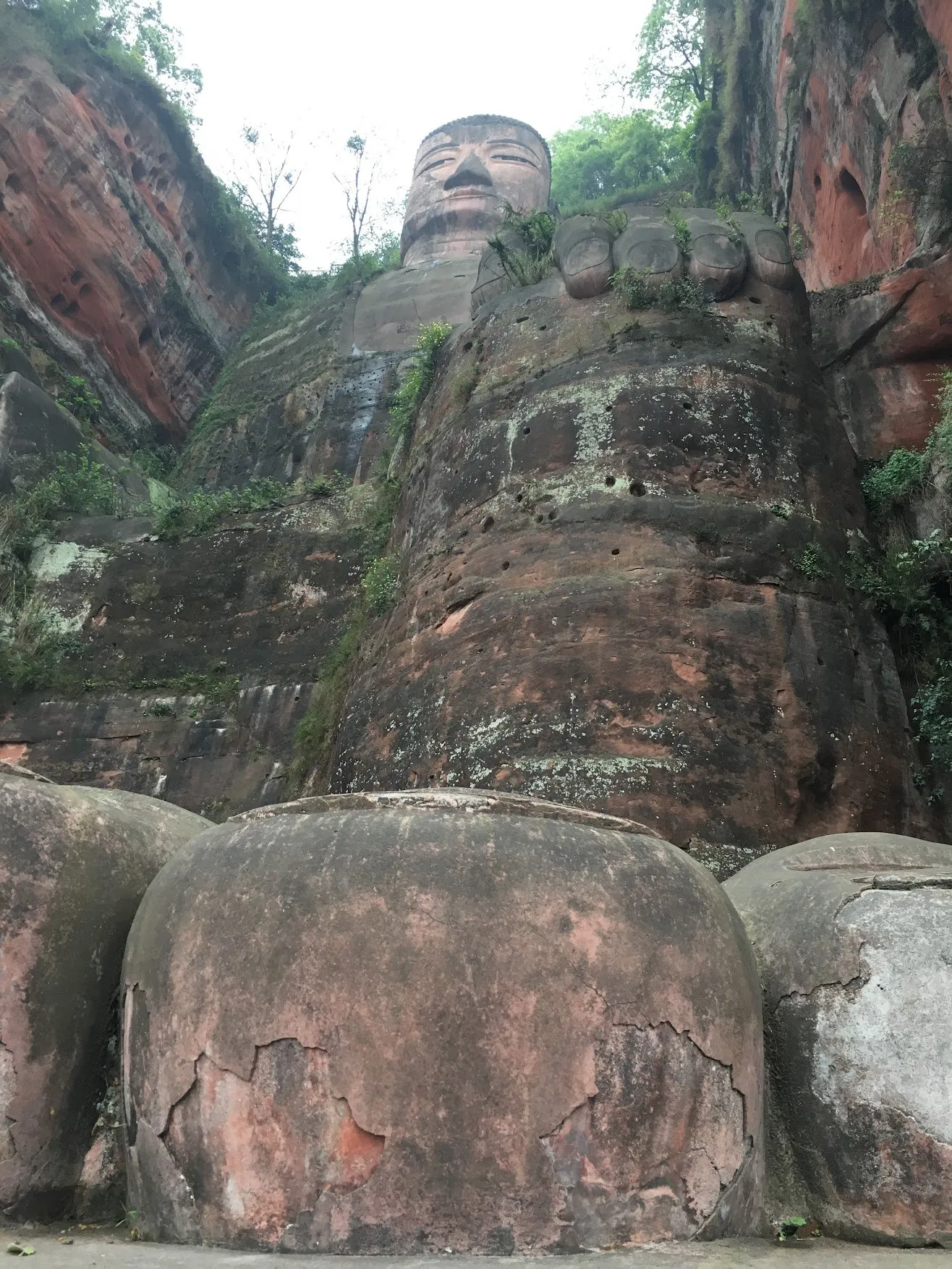
Leshan Giant Buddha China
The stone statue is a 71-meter tall, built between 713 and 803. It was carved to appease the gods and the buddha can show emotions. If you rub your hand against buddha’s feet, it brings you good luck!
-
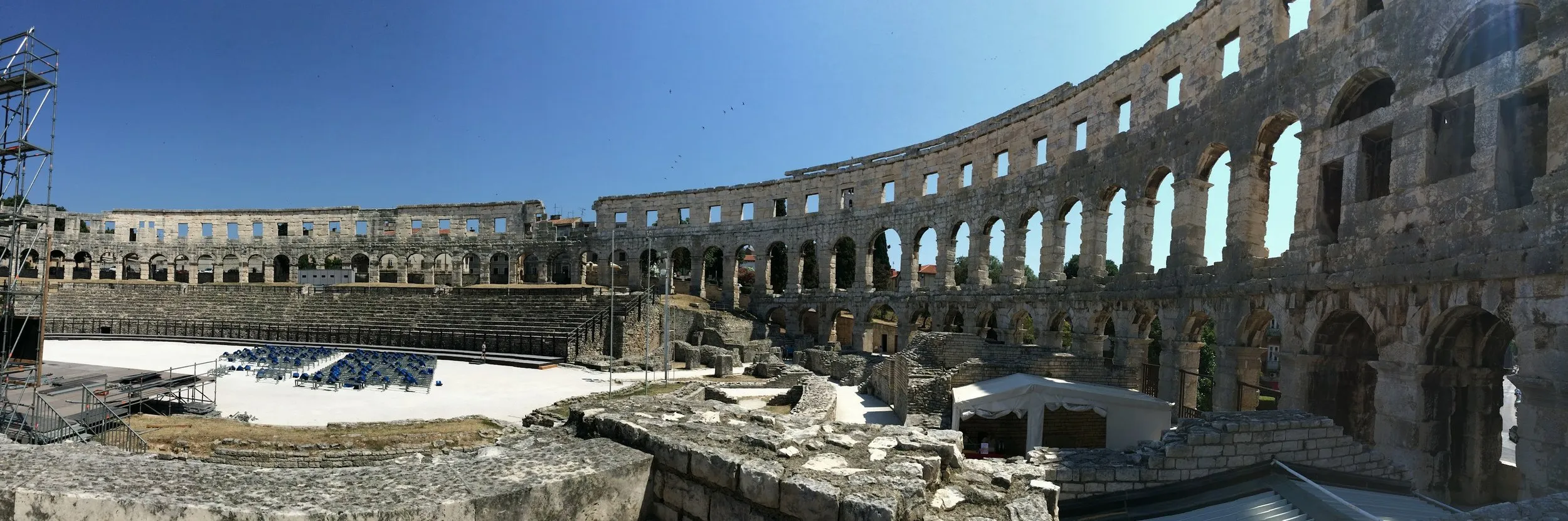
Pula Arena Croatia
It is the Croatian version of the Colosseum. It is the only remaining Roman amphitheater to have four side towers entirely preserved. It was constructed between 27 BC and AD 68, and is among the world's six largest surviving Roman arenas.
-
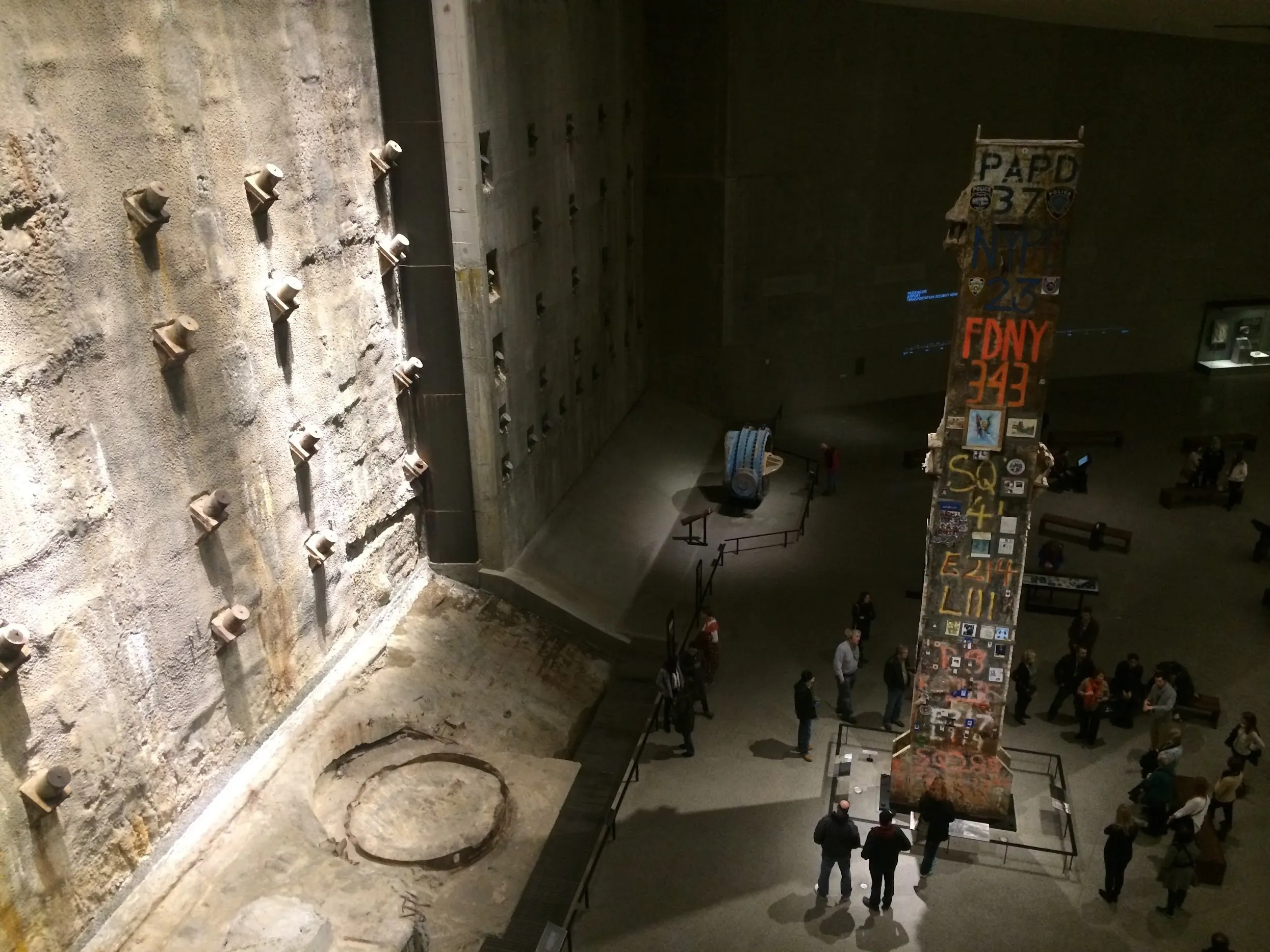
Twin Tower Tridents and wall, NYC, US
The tridents are from the base of the North Tower – the only two that remained from the dozens that flanked the perimeter of the building. The wall was the final one to be removed from Ground Zero.
-
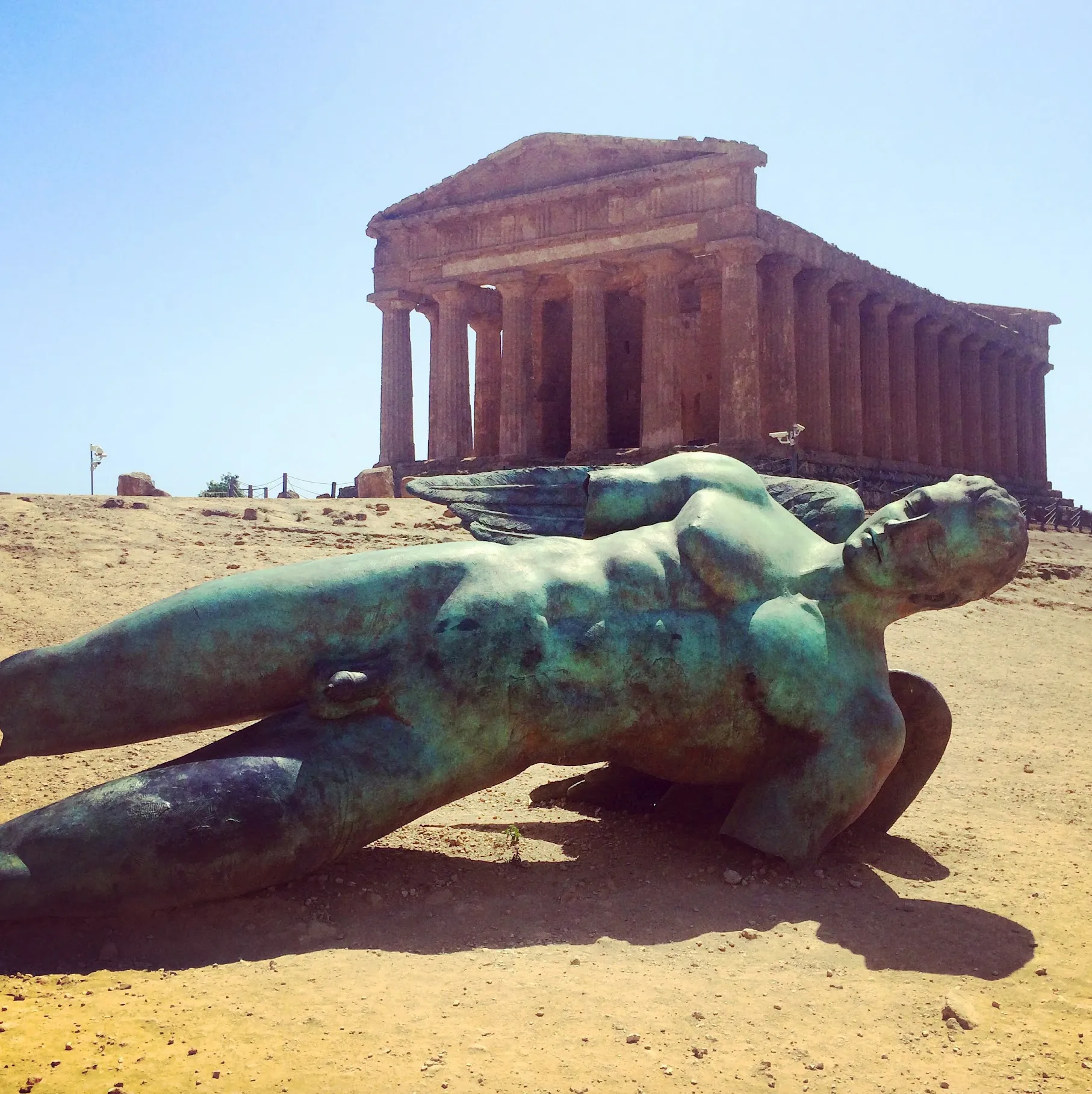
Temple of concordia, Sicily Italy
The Temple of Concordia is an ancient Greek temple in the Valle dei Templi in Agrigento on the south coast of Sicily, Italy. The temple was built c. 440–430 BC.